Pool construction knowledge has traditionally moved one way: you learn it on a job site, from someone who already knows, over a long stretch of years. That works, but it is slow, inconsistent, and entirely dependent on who happens to be standing next to you. CSP Online Training exists because we thought the knowledge deserved a better distribution method than luck.
The inconsistency is the real problem, more than the pace. Two people can spend the same number of seasons in this trade and come out with substantially different understanding, based entirely on which crews they landed with and which jobs happened to come through during those years. Someone might go five years without encountering a particular site condition, then meet it for the first time with no framework for handling it. Traditional apprenticeship transmits whatever the mentor happens to know, including the habits that were never quite right to begin with.
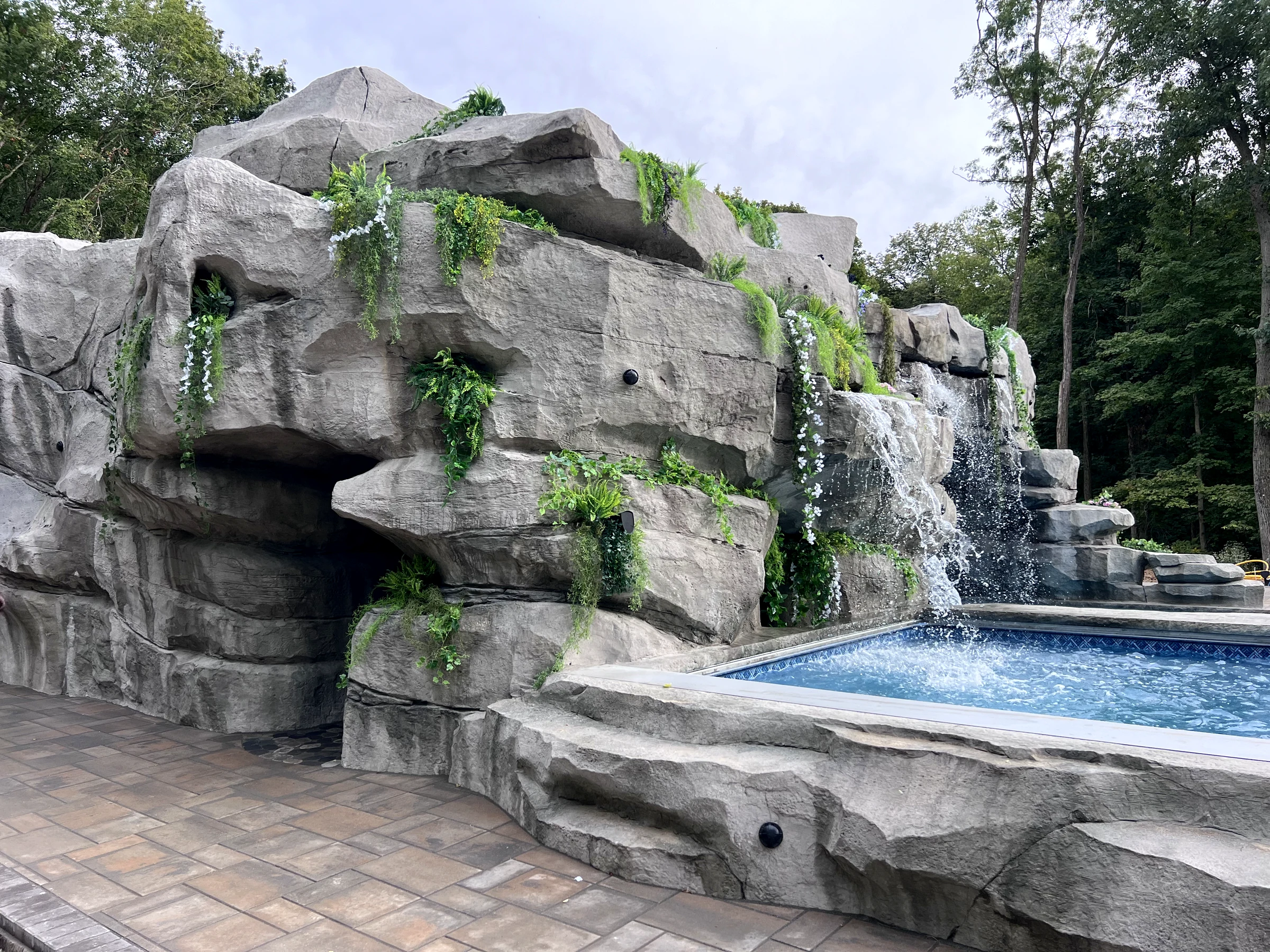
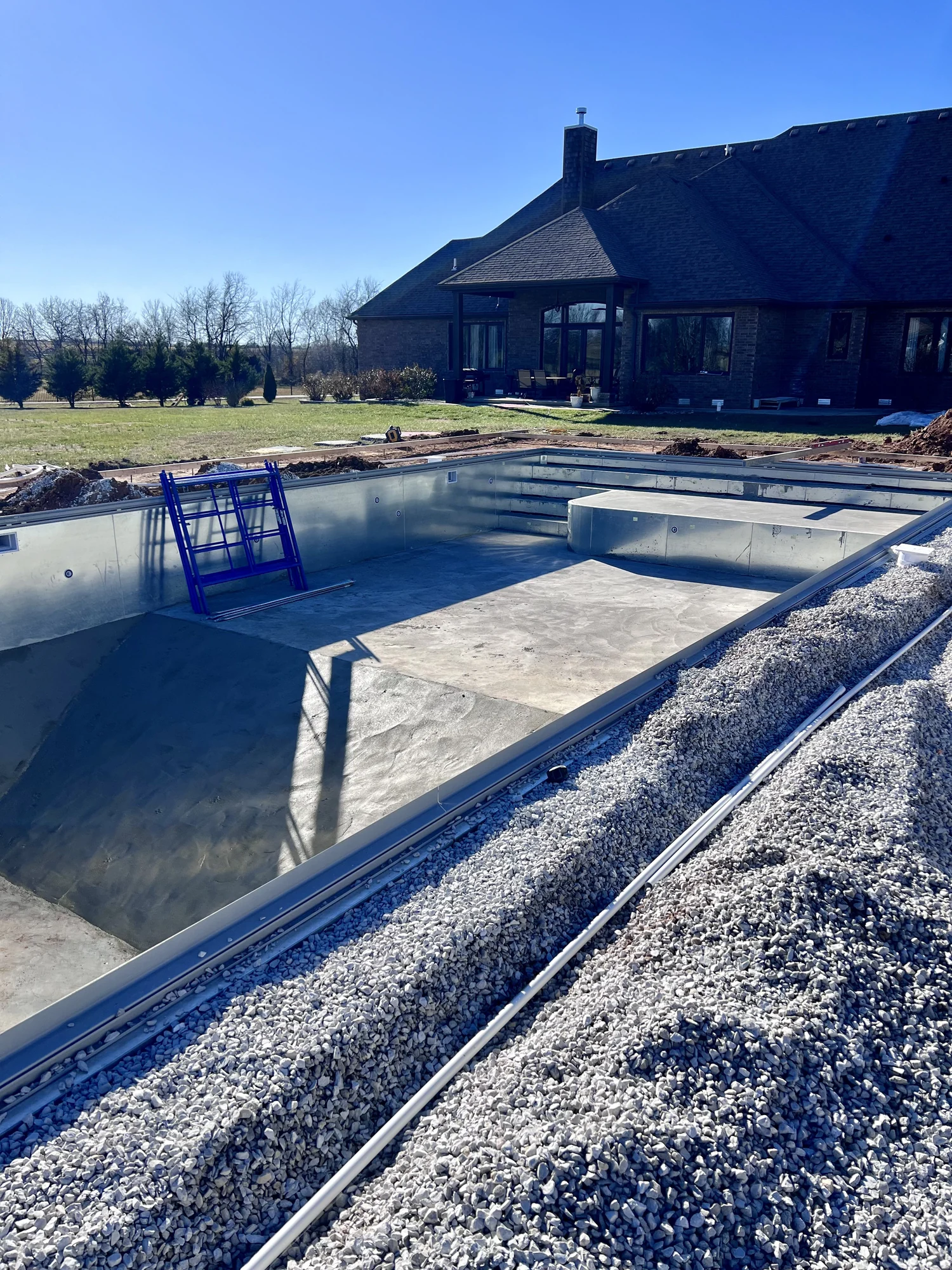
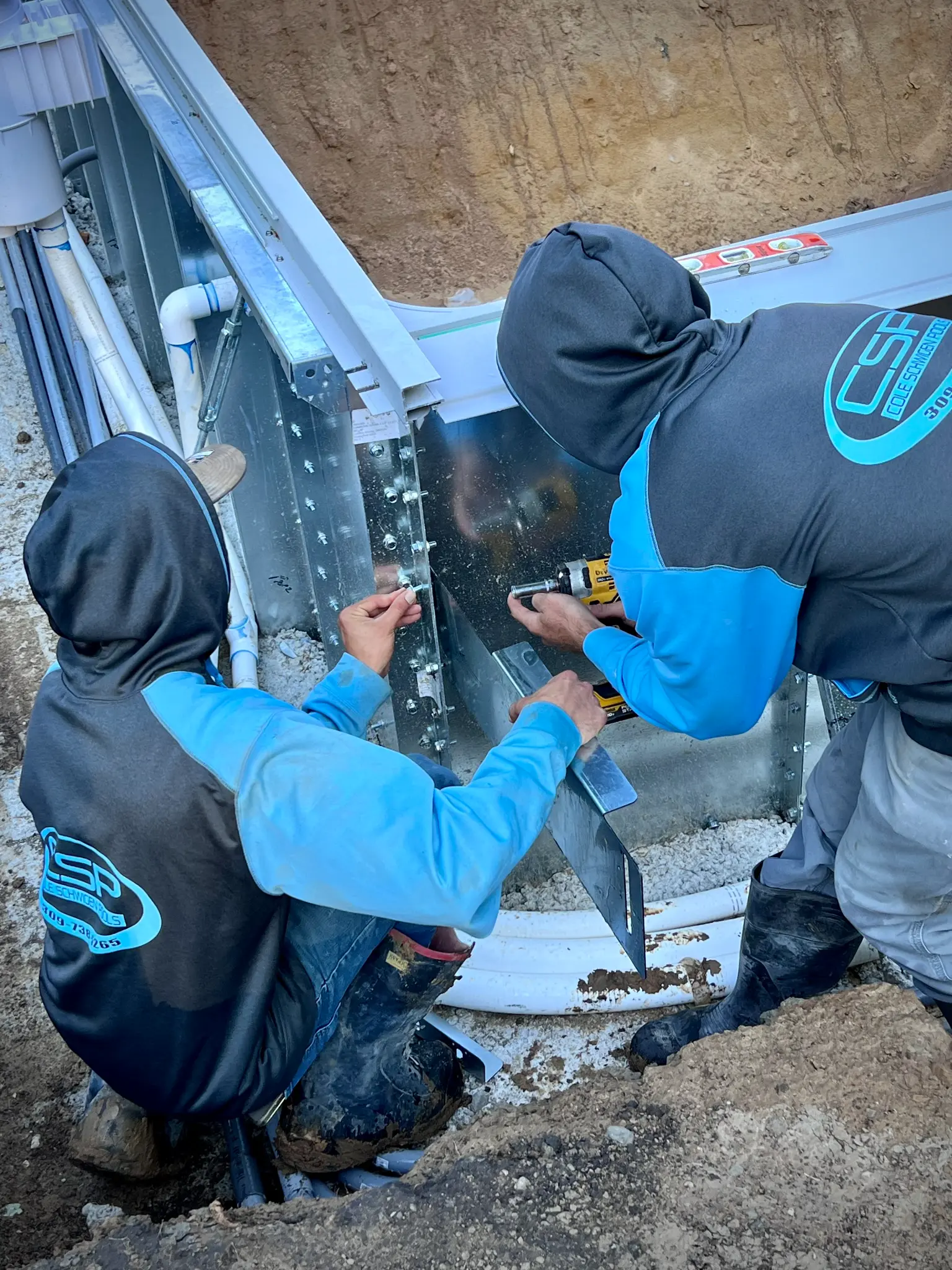
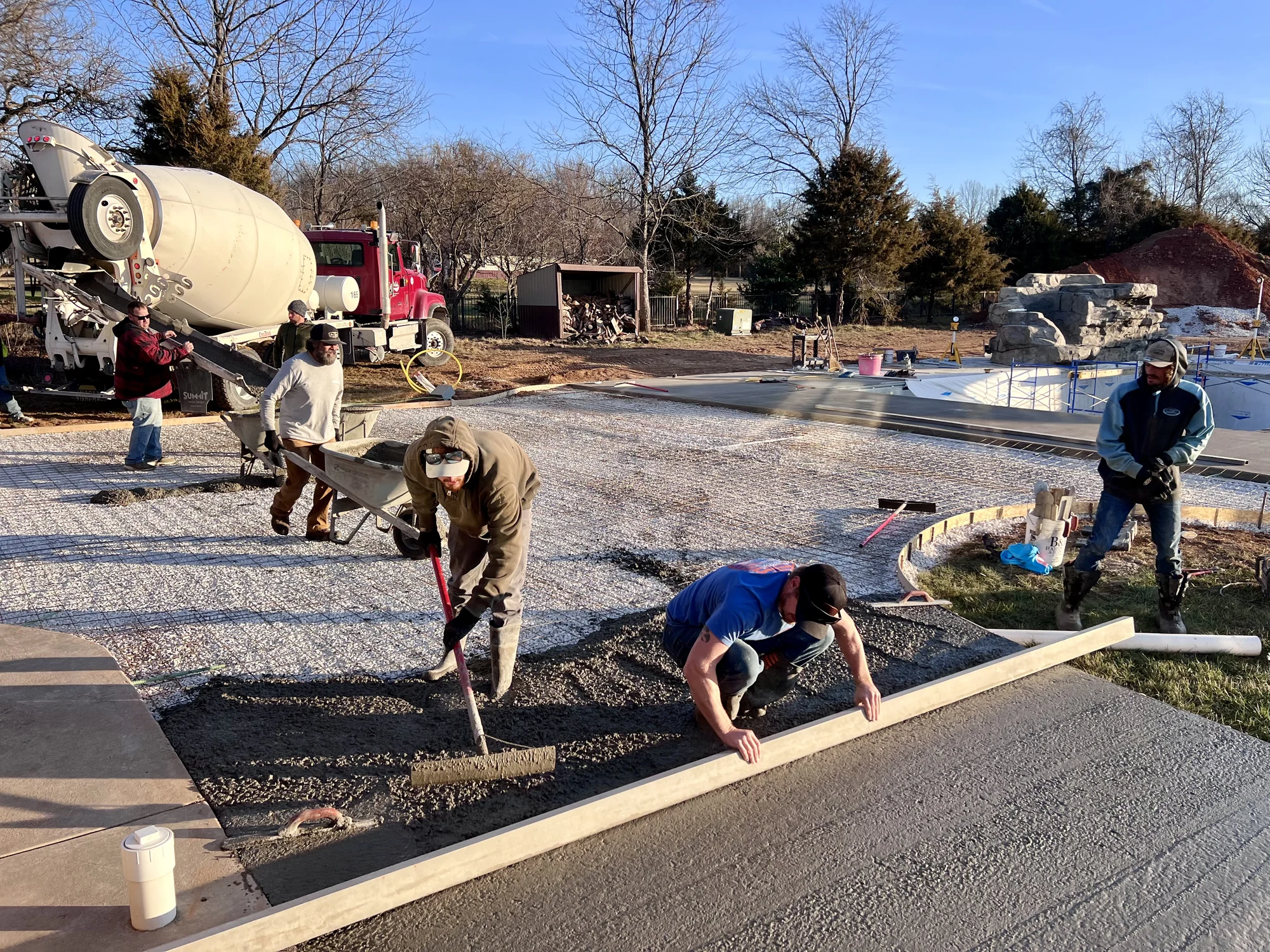
The curriculum is our actual field process, not a theoretical overview written for a classroom. It spans 69 lessons across eight areas: pool kit assembly and installation, plumbing and equipment and electrical, finishing and startup and maintenance, concrete basics, project consulting builds, sound systems and lighting, and themed pool designs. The consulting build sections follow complete real projects from start to finish, which is deliberate. Isolated technique videos teach you steps. Following a full build teaches you sequence, judgment, and how early decisions constrain everything that comes after.
That distinction is the core of how the library is organized, so it is worth expanding. A clip showing how to set a wall correctly teaches a technique. Watching an entire project unfold shows you why that wall had to be set before something else, what the crew was accounting for that was not visible in the frame, and how a decision made during layout limited or expanded the options weeks later. Sequence and judgment are the parts of this trade that take longest to acquire on a job site, and they are exactly what a complete build recording can transmit.
It is self-paced by design. Anyone who has worked in this trade knows that scheduled training and construction season do not coexist peacefully. Members work through material when the weather and the schedule allow, revisit specific lessons when a job puts that exact problem in front of them, and track their own progress through the library. Membership is $89 per month or $899 per year.
The revisiting is arguably more valuable than the first pass. Most members do not watch the library once and finish. They work through the relevant sections, then return to a specific lesson the week a job puts that exact situation in front of them. Watching a plumbing sequence in February is useful. Watching it again the night before you run those lines is different, because now you have a real site, real constraints, and real questions. Progress tracking exists to support that pattern rather than to enforce a linear path.
Being direct about who this serves: it is built for builders, installers, and crews who want a complete structured reference for how this work is done properly. It is useful for someone entering the trade who wants a foundation instead of fragments, for an established crew standardizing how their people are trained, and for anyone who keeps running into the same problem and wants to see how it is handled correctly.
The crew-standardization case is worth calling out separately, because it is the one owners underestimate. If you run a crew, your people learned from different sources and carry different habits. Some of those differences are harmless preference and some produce inconsistent results across jobs. A shared library gives everyone the same reference and the same vocabulary, which changes what a correction on site sounds like. It stops being one person's opinion against another's and becomes a shared standard everyone has seen.
It is not a homeowner maintenance course. If you own a pool and want to understand water chemistry and seasonal care, this is more depth than you need and the wrong tool for the job. It also does not replace hands-on experience. Watching a wall get braced correctly and doing it yourself are different skills, and video cannot substitute for the second one. What it can do is make sure that when you finally have your hands on the work, you already understand what you are trying to accomplish and why.
We would rather set that expectation clearly than oversell the format. Video builds understanding, not muscle memory. It will not teach you how material behaves under your own hands, how to read a site by standing on it, or the physical judgment that only comes from repetition. What it does is eliminate the category of mistake that comes from not knowing what you were supposed to be doing. That is a large category, and removing it makes every hour of actual field experience count for considerably more.
One point of clarification we get asked about often. CSP Online Training is an independent program from Cole Schwigen Pools. The same curriculum is offered to Central Pool Supply pro builders who purchase a pool kit through them, which is where some people have seen this material before. The two businesses are related but separate, and this program exists so that anyone who wants the training can get it directly, without a kit purchase attached.
For crews who want in-person instruction on their own site with their own equipment, we offer on-site training separately, and that is a different conversation with different logistics. Either way the goal is the same: fewer avoidable mistakes in the field, and more people who understand why the work is done the way it is done.
Want project guidance that takes the full ownership experience into account?
Start a conversation