Almost every pool conversation starts with the same question, and it is a fair one. What is this going to cost? The honest answer is that a pool is not a product with a shelf price. It is a construction project on a specific piece of ground, and the ground is different at every address. That is why two homeowners can describe what sounds like the same pool and receive numbers that are thousands of dollars apart.
It is worth naming the frustration directly. You searched for a price, found a range, and now every conversation seems to avoid confirming it. That is not evasion. National price ranges are built by averaging wildly different projects across wildly different markets, climates, labor costs, and code requirements. An average that includes a simple pool on flat, accessible ground in a mild climate and a complex build on a sloped lot in a freeze-thaw region does not describe either one. It describes a statistic that will not be installed in anyone's backyard.
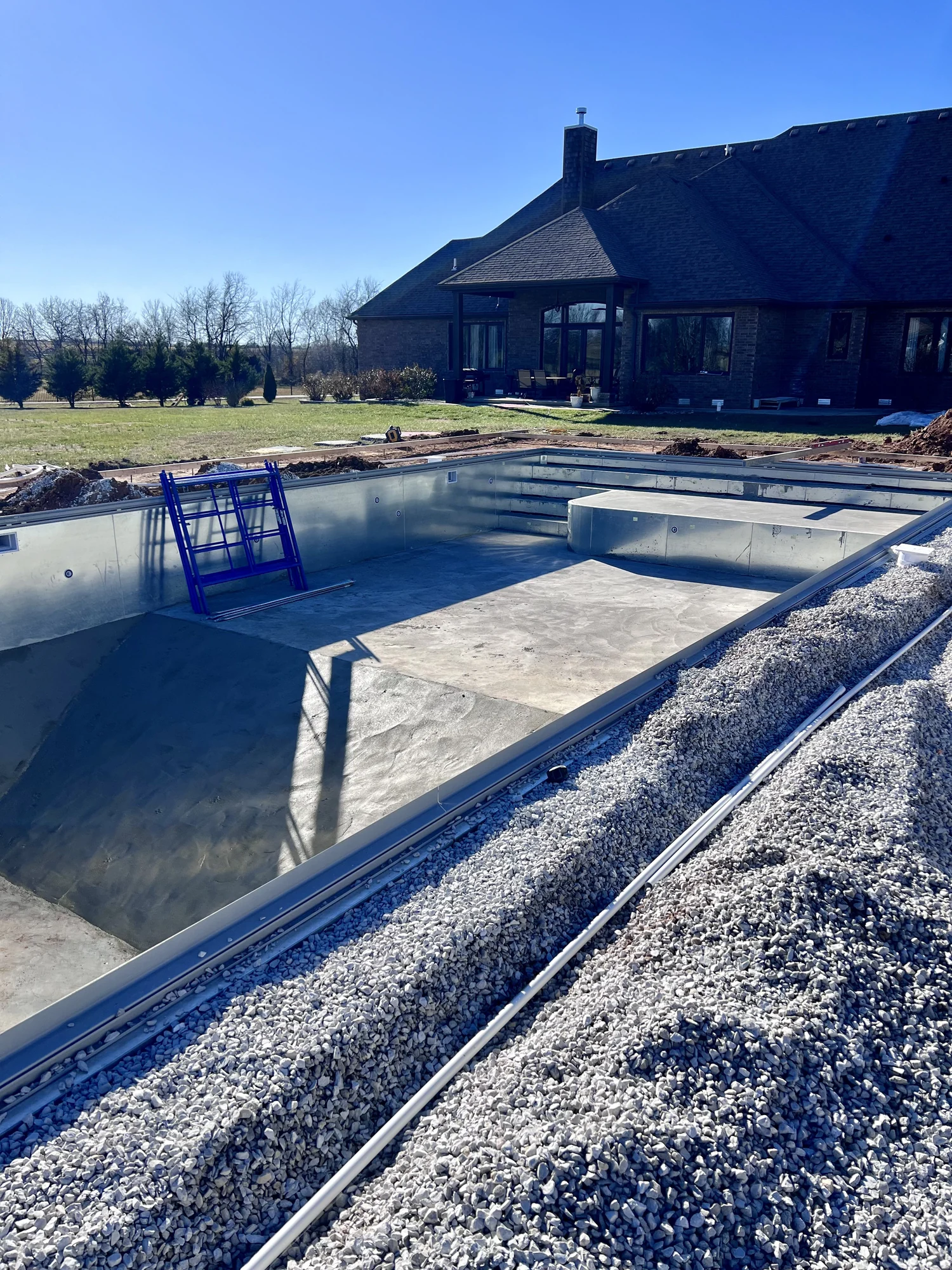
The largest cost driver is usually the pool itself: its size, its shape, and the structural approach behind it. A larger pool means more excavation, more material, more water volume, more surface to finish, and larger equipment to circulate and heat it. Shape matters too. A clean rectangle is efficient to build. Curves, tanning ledges, benches, and multiple depth changes all add labor and detail work. None of that is wasted money if those features are what make the pool right for your family, but it helps to understand what you are buying.
Volume also carries a cost that continues long after the build. A larger pool holds more water to heat, treat, and circulate. That shows up every month in energy and chemicals rather than once at construction. It is worth deciding whether the extra square footage genuinely serves how your family will use the space, or whether it simply sounded better on paper. We have had plenty of conversations where a slightly smaller pool with better feature work produced a happier owner than a larger plain one at the same price.
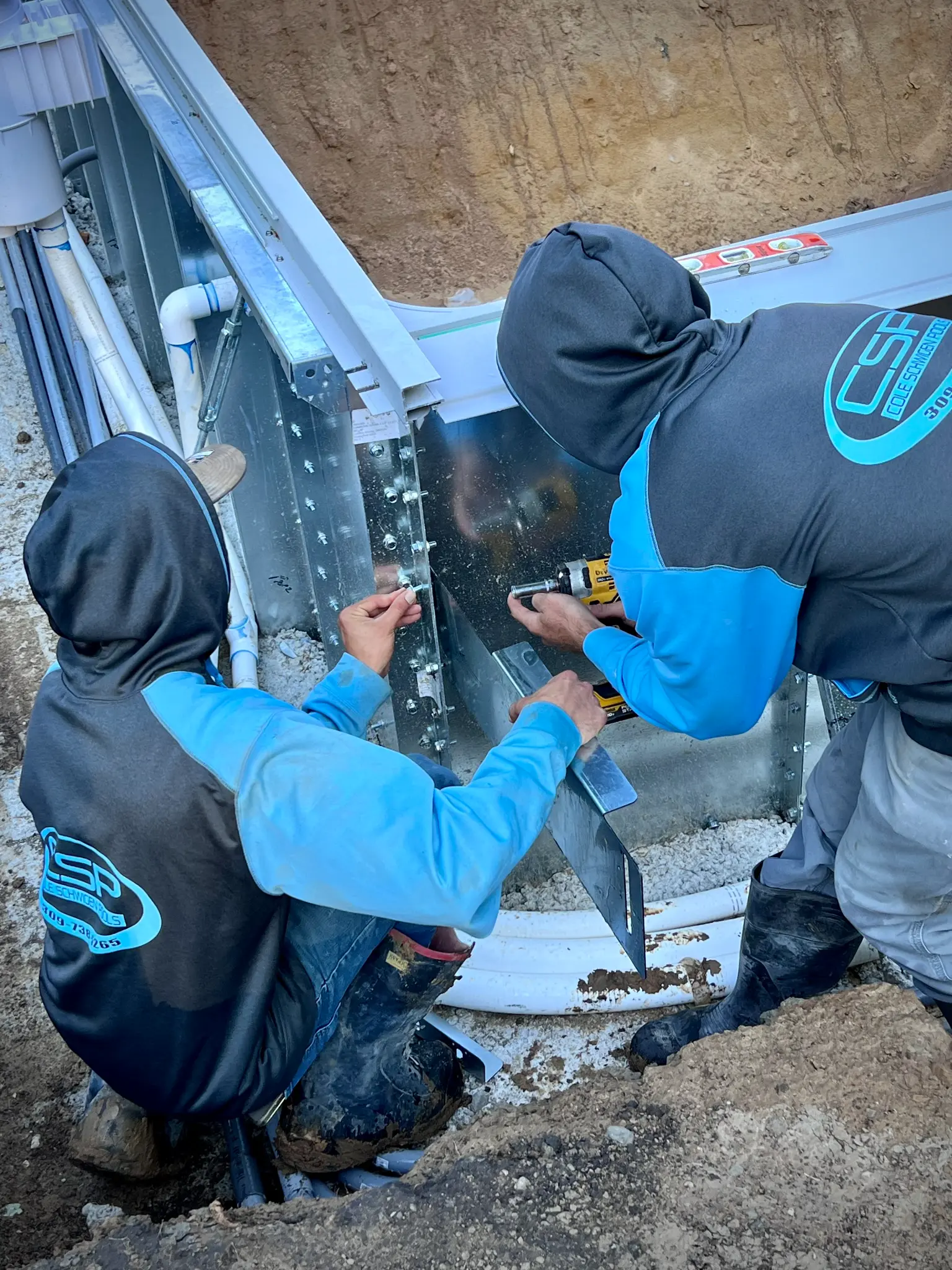
The second driver is the part homeowners rarely think about, and it is the part that separates a guess from a real number: your site. Access determines whether equipment can reach the dig area easily or whether the work has to happen in a tighter, slower sequence. Soil conditions affect how the excavation behaves and what it takes to build on. Grade changes influence how the pool sits relative to the house and what retaining or backfill work is required. Utilities, septic locations, mature trees, and existing hardscape all shape the plan. This is exactly why a responsible builder wants to walk your property before quoting anything firm.
Access deserves a specific illustration, because it is the variable most often underestimated. If a machine can reach the dig area through a wide side yard, excavation and spoil removal proceed efficiently. If the only path is a narrow gate between a house and a property line, the same hole may require smaller equipment, more passes, more labor hours, and more careful protection of what the equipment has to cross. Nothing about the pool changed. The cost changed, because the work got harder. The same logic applies to spoil: soil that can be graded on site behaves very differently in a budget than soil that must be hauled away by the truckload.
Grade is the other site factor worth understanding early. A yard that slopes influences where the pool can sit, how the deck meets the house, and whether retaining work is needed to make the transition safe and finished. Sloped lots frequently produce the most striking results, because elevation change gives rock features and water movement something to work with. They also require more engineering and more material, and it is better to hear that at the beginning than to discover it after a design you love has already been drawn.
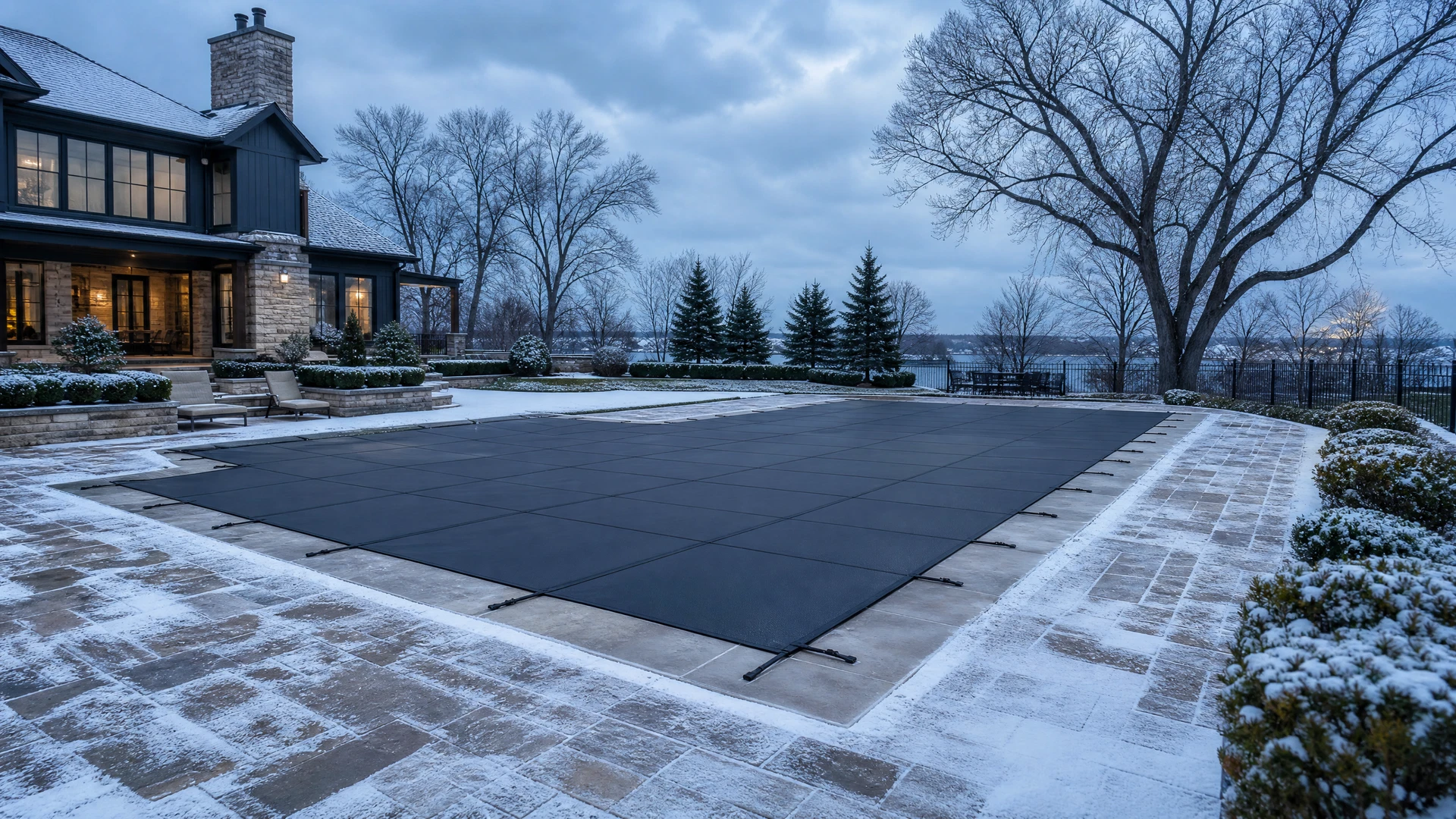
Then there is everything surrounding the water, which is often underestimated at the start. Decking is a significant line item and scales quickly with square footage and material choice. Equipment decisions carry real differences: heaters, automation, automatic covers, and upgraded filtration all move the number. Electrical work has to be coordinated and permitted. Fencing is frequently required by code rather than optional. Landscaping and final grading close out the yard. A pool that looks finished in a photograph includes all of this, and a budget that only accounts for the pool itself will feel incomplete by the end.
Decking deserves particular attention because homeowners routinely plan for less of it than they end up wanting. The deck is where people actually spend their time. Chairs need space that is not a walkway. There has to be room to move around the pool without turning sideways. Once furniture, circulation, and a shaded area are accounted for, the square footage grows past the first estimate. It is far cheaper to plan generously now than to pour a second slab against a cured edge in two years.
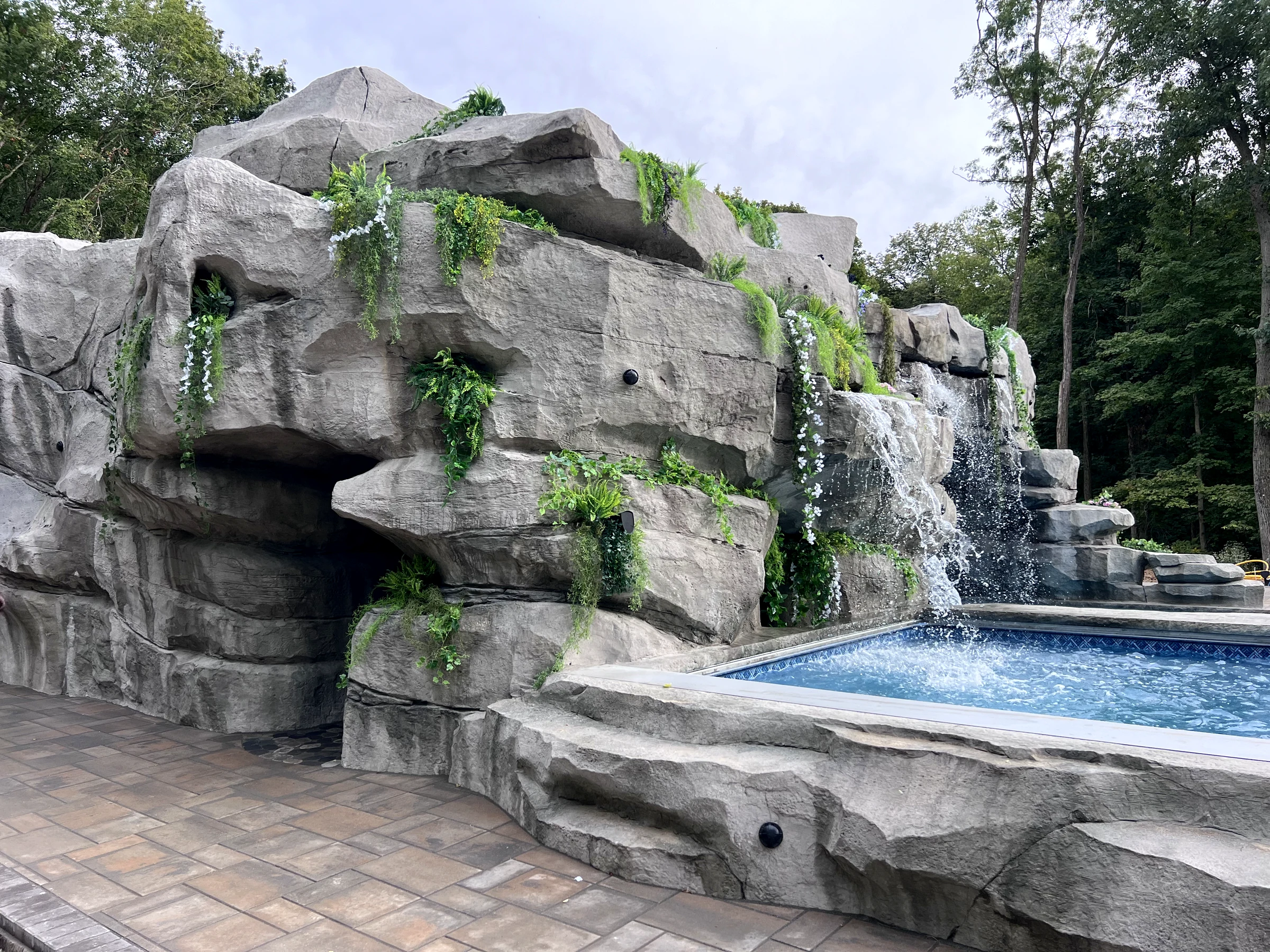
Feature work is the most variable category of all. Artificial rock, waterfalls, grottos, integrated lighting, and sound systems range from a modest accent to the defining element of the entire backyard. This is where a project can be scaled thoughtfully. If a dramatic rock feature is the thing you actually want, plan for it deliberately rather than adding it as an afterthought, because feature work is cleaner and more cost effective to execute when it is designed into the build from the beginning.
There is a distinction worth drawing between an expensive pool and a costly mistake. Money spent on structure, plumbing, electrical, drainage, and skilled feature work buys you years of trouble-free ownership. Money saved by rushing those same items reappears later as repairs, and repairs on buried work are dramatically more expensive than doing it right the first time, because reaching the problem means removing finished surfaces above it. The cheapest version of a pool is rarely the least expensive pool to own.
A practical way to approach budget is to separate your must-haves from your someday list before the first meeting. Decide what the space has to do for your family, then let the rest stay flexible. Some elements are far cheaper to rough in during construction than to add later, particularly anything involving plumbing, conduit, or structure. Others, such as landscaping or an outdoor kitchen, can genuinely wait a season without penalty. Knowing which is which is one of the most valuable things a builder can tell you early.
If you take one practical step from this, make it this one: ask any builder you talk to what is excluded from their number. Not what is included, what is excluded. Fencing, electrical, permits, final grading, landscaping repair, and equipment upgrades are the usual suspects, and a number that quietly omits several of them will look attractive right up until the additions arrive. A slightly higher quote that accounts for the whole project is not more expensive. It is more honest.
We would rather give you an accurate number than a comfortable one. That means seeing the property, understanding what you want the space to do, and being direct about what the work involves. If you are early in the process and simply want to understand what is realistic on your lot, that is a good conversation to have before any drawings exist.
Want project guidance that takes the full ownership experience into account?
Start a conversation